
Today, I decided to focus a blog post on one of my most problematic areas when it comes to description in my writing: Setting.
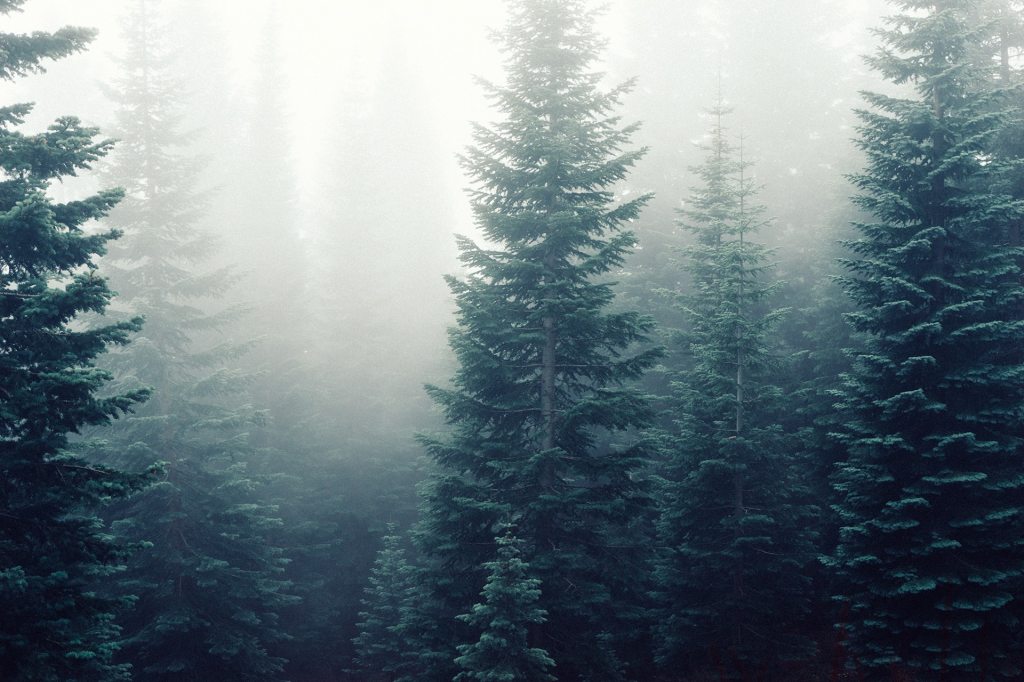
Now, this isn’t to say that when I write a first draft, I neglect setting entirely. Instead, I tend to paint setting in broad strokes, such as: forest, desert, castle, rather than, deep woods of pine and redwood, cool and crisp with a damp undergrowth of fern and moss.
This is the point of drafts! You get there eventually. Here are some tools and tricks I use to help me generate descriptions of setting when revising my first draft:
– Pinterest is my favorite tool for setting. It is full of rich, beautiful photography and fantastical illustrations—anything you may be thinking for setting, chances are, you’ll find something like it in here. So how to use it? I set up moodboards for each region/city in my story, and fill each board with photos and art of the type of setting I’m trying to convey. Then, when I get to a point in my story where I need to bring some of that setting to life, I pull up the corresponding moodboard and let it inspire me.
– Explore. One of the easiest ways to get a feeling for a setting is to go and visit it in person. Explore your local parks, beaches, fields, and forests, even cafes and local government buildings, nearby urban areas, cities, and suburbs can be helpful, depending on the type of story you’re writing. Get out there with a pen and paper and write down the first ten things you notice, more if you have them. Take pictures with your phone or camera! If it’s real for you, chances are it’s real for the reader.
– Take notes/pictures while traveling. If you’re going on a trip, take pictures and notes of settings you experience so that you can revisit them later if you ever want to include them in a story!
– Google Maps and Google Earth are super helpful, including and especially the street view. If you can’t get out of the house or can’t afford a plane ticket to a far off destination, Google is your friend.
– Hit the five senses. When describing setting, you can really put a reader there by hitting a couple of our five senses, especially the ones that aren’t sight! If you’re in a bakery, you might smell warm baked bread and the sweet scent of cinnamon buns in the oven, or hear the clink of coins at the counter and the whirring of a mixer in the background.
– Consider your timeline. Setting is influenced greatly by timeline. Here are just a few ways:
- Weather/Season/Climate. The forest in spring might be green and teeming with life, where it is barren and blanketed in snow in the winter.
- Big events. War, famine, or celebration can all influence a setting. Is your town war-ravaged and ragged? Or clad in finery and bright streamers for a festival?
– Consider character/narrator. This is especially important when writing from first person or limited third person point of view. When you’re seeing a story through a character’s eyes, you’re also seeing the setting from their eyes. How would a sun-loving dragon react to the warm sands of a desert? It certainly wouldn’t be the same way a delicate water sprite would see such a parched, dry expanse of sand.
- Consider senses here. If your narrator is blind or deaf, do they rely more on their sense of touch? If they’re a fantasy creature such as a dragon or werewolf, do they rely more on smell?
– Look at the big picture. If your story is spanning a continent or a world, you’re going to want a map. Even maps of cities or buildings can be helpful for orienting both writer and reader! Here are some resources for creating maps if you’re working in a world of your own making:
- Random map generator. This website is super handy, and can generate maps randomly, even including biomes and major cities!
- The Rice Method. For this one, take a piece of paper and a handful of rice, and scatter the grains across the page. Push and prod at it until you’ve got a picture you like, and then outline the piles of rice with a pencil. This will give you realistic looking coastlines and can be done as vaguely or as detailed as you like.
With that, you have a pretty hefty list of things to consider that should help you write a kick-ass, realistic setting, whether you’re writing about a coffee shop in San Francisco or a castle in your own fantasy world.
Do you have any resources or tips you use to help ground you into a setting while writing? If so, please consider sharing them here!
As always, thank you for reading!
– Ember
 The Write Advice